Product scope
ScrewsBoltsNutsWashersRivetsPinsStudsThreaded rodsCustom fasteners

Fastener materials
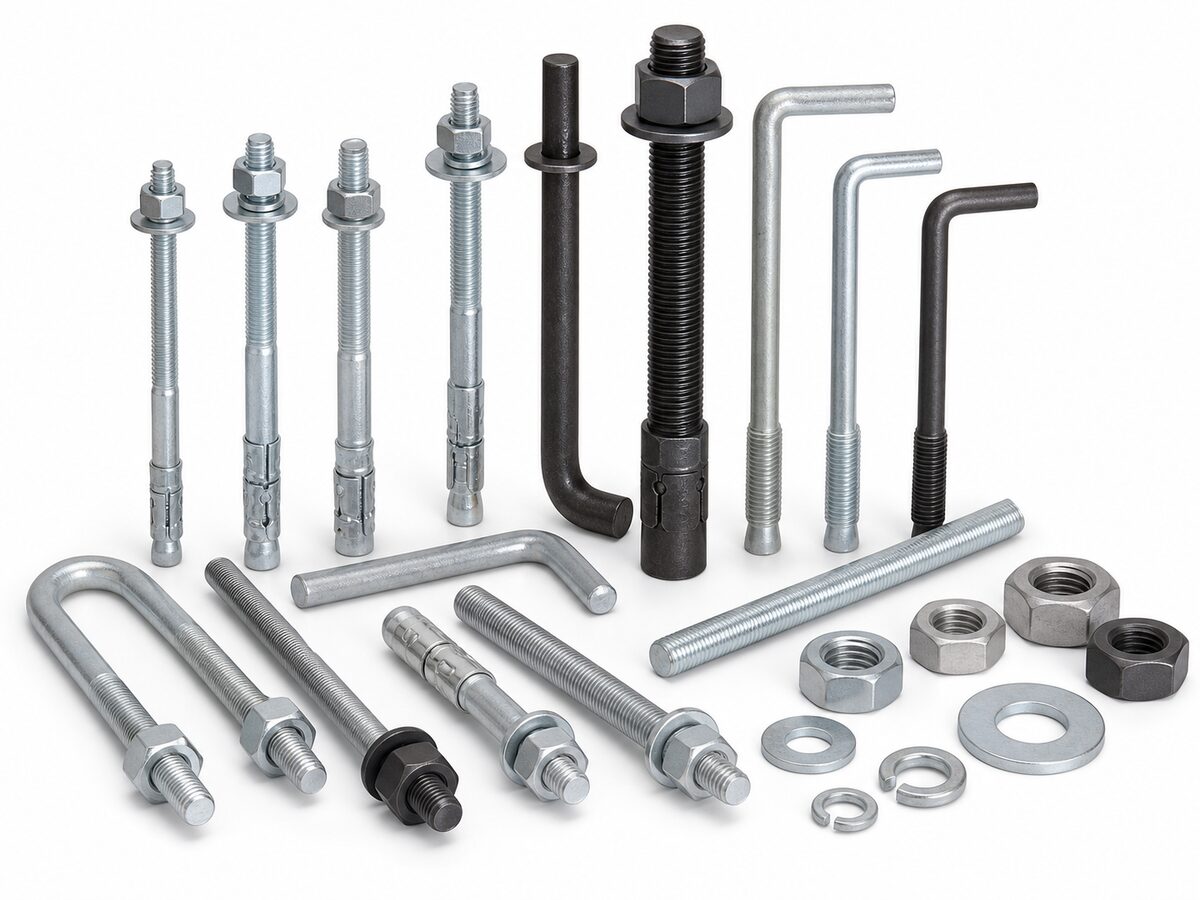
Fastener material selection affects tensile strength, corrosion resistance, thread reliability, assembly safety, installation environment, and production cost. Himount Precision manufactures construction fasteners and metal connection parts based on drawings, samples, and application requirements.
We support both standard-based and made-to-drawing hardware, with material, tolerance, finish, packaging, and inspection details reviewed against your application and drawings.
Material types
Cost-effective strength for common screws, bolts, nuts, washers, and threaded parts.
Corrosion-resistant material for outdoor, humid, and clean applications.
Higher-strength material for load-related fasteners and mechanical assemblies.
Project-specific options for lower weight, corrosion exposure, or special installation requirements.
Comparison table
| Material | Key properties | Suitable fasteners | Common finishes | Typical industries |
|---|---|---|---|---|
| Carbon Steel Fasteners | Strength, Cost efficiency, Plating compatibility | Bolts, Screws, Washers, Studs | Zinc plating, Black oxide, Phosphate | Construction, Industrial Equipment |
| Stainless Steel Fasteners | Corrosion resistance, Stable appearance, Outdoor durability | Screws, Bolts, Nuts, Washers | Passivation, Polishing | Industrial Equipment |
| Alloy Steel Fasteners | High strength, Heat treatment, Fatigue resistance | High strength bolts, Studs, Pins | Heat treatment, Black oxide, Zinc plating | |
| Aluminum and Specialty Fasteners | Weight reduction, Corrosion review, Project-specific grades | Special bolts, Clamps, Installation hardware | Anodizing, Passivation, Custom finish | Construction, Industrial Equipment |
Related navigation
Related navigation
Material RFQ support